.webp)








In Where Winds Meet, progression is not only about combat strength. The game’s large open world, martial arts systems, and dynamic exploration mechanics reward players who move efficiently, manage resources carefully, and develop their character strategically over time.
Many players struggle because they explore without direction, spend resources inefficiently, or focus too heavily on combat while ignoring progression systems that improve long-term performance. As the world expands, inefficient habits quickly slow overall progression.
This guide focuses specifically on mastering exploration flow and martial arts progression. Instead of general beginner advice, this is a structured tips and guides approach that helps you improve movement efficiency, optimize skill development, and reduce wasted time throughout the game.
By understanding how to manage exploration routes, prioritize martial arts upgrades, and balance progression systems correctly, you can build a smoother and far more efficient gameplay experience.
1. Understanding the Importance of Exploration Efficiency
Why Efficient Exploration Matters
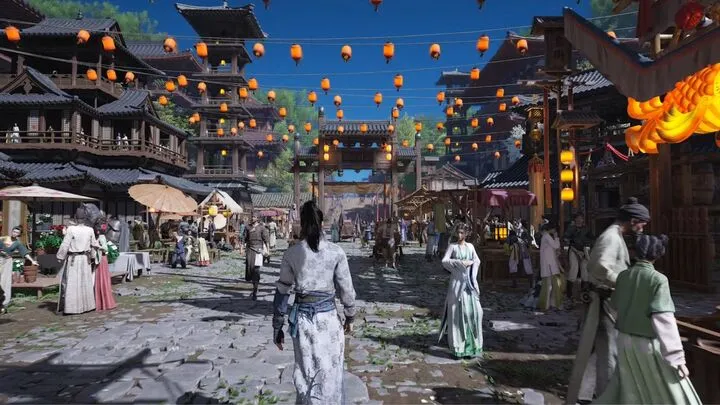
The world in Where Winds Meet is massive and filled with activities, hidden encounters, and progression opportunities. Players who move randomly often waste time traveling instead of progressing.
Core Exploration Principles
- Combine nearby objectives together
- Avoid unnecessary backtracking
- Learn important landmarks early
- Use fast travel efficiently
Efficient movement improves long-term progression speed.
2. Learning the Map Structure Early
Map Knowledge Creates Advantage
Understanding how regions connect helps you travel more efficiently and avoid dangerous areas before you are prepared.
Important Areas to Prioritize
- Major towns and hubs
- Martial arts trainers
- Resource gathering locations
- Safe recovery zones
Strong map awareness reduces wasted movement.
3. Prioritizing Martial Arts Progression
Not Every Skill Is Equally Valuable
Many players unlock skills randomly without focusing on core combat efficiency.
Skill Progression Tips
- Prioritize mobility skills early
- Focus on reliable combat techniques
- Upgrade survivability before advanced combos
- Build around a consistent playstyle
Smart progression creates stronger combat stability.

4. Managing Resources Efficiently
Resource Waste Slows Progression
Currency, crafting materials, and upgrade resources become increasingly important later in the game.
Resource Management Strategies
- Save rare materials early
- Avoid unnecessary upgrades
- Prioritize long-term improvements
- Maintain emergency supplies
Careful management prevents progression delays.
5. Improving Combat Positioning
Positioning Matters More Than Aggression
Fast reactions alone are not enough during difficult fights.
Combat Positioning Tips
- Avoid fighting multiple enemies directly
- Use terrain advantages
- Maintain safe spacing
- Control engagement timing
Better positioning improves survival consistency.
6. Mastering Movement and Traversal
Mobility Is a Core Strength
The game rewards players who understand traversal mechanics.
Movement Optimization Tips
- Use vertical movement efficiently
- Memorize faster travel routes
- Reduce unnecessary climbing
- Maintain momentum during exploration
Efficient traversal saves significant time.
7. Balancing Exploration and Story Progression
Avoid Progression Imbalance
Some players ignore story progression too long, while others rush it too quickly.
Balance Strategies
- Explore between main missions
- Complete important side activities
- Upgrade before difficult story sections
- Avoid overgrinding early
Balanced progression improves pacing.
8. Handling Dangerous Areas Carefully
High-Level Zones Require Preparation
Entering dangerous regions too early often causes unnecessary setbacks.
Survival Tips
- Scout areas before engaging enemies
- Prepare healing supplies
- Learn enemy attack patterns
- Retreat when necessary
Patience improves long-term survival.
9. Building Long-Term Combat Consistency
Consistency Beats Flashy Gameplay
Reliable execution is more valuable than risky aggression.
Long-Term Improvement Tips
- Practice core mechanics regularly
- Improve defensive timing
- Learn enemy behavior
- Reduce unnecessary risks
Controlled gameplay improves efficiency.
10. Developing a Sustainable Progression System
Long-Term Planning Creates Stability
Players who think ahead progress more smoothly throughout the game.
Sustainable Progression Tips
- Upgrade gradually
- Maintain balanced builds
- Optimize travel routes regularly
- Adapt strategies as difficulty increases
Consistency creates strong long-term growth.
Conclusion
Mastering exploration flow and martial arts progression in Where Winds Meet requires patience, planning, and efficient decision-making. By optimizing movement, improving resource management, and focusing on reliable skill progression, you can progress more smoothly and handle increasingly difficult challenges more effectively.
The most successful players are not simply the strongest fighters—they are the ones who manage their time, resources, and progression systems intelligently.