





Introduction
Ravenswatch is a dark fantasy roguelike action game that blends fast-paced combat with cooperative strategy and myth-inspired heroes. While it may look approachable at first, the game quickly reveals deep layers of decision-making that punish careless play and reward smart positioning, build planning, and team coordination.
This guide is designed for players who want to move beyond basic survival and start winning runs consistently. It focuses on combat fundamentals, character progression, upgrade synergies, and team tactics that matter across both solo and co-op play. Whether you’re struggling to survive the first night or failing late-game boss fights, these tips will help you stabilize and improve every run.
Understanding the Core Loop and Time Pressure
Ravenswatch operates under constant time pressure. Each map slowly pushes players forward, forcing difficult choices between exploration and preparation. Unlike slower roguelikes, hesitation often results in being underpowered when bosses appear.
New players often waste time clearing every enemy or over-exploring low-value areas. The key is recognizing which fights provide meaningful rewards and which drain health and time without payoff. Progression is not about killing everything, but about growing strong enough before the clock runs out.
Understanding this pressure early helps players prioritize objectives and avoid falling behind the difficulty curve.
Choosing the Right Hero for Your Playstyle
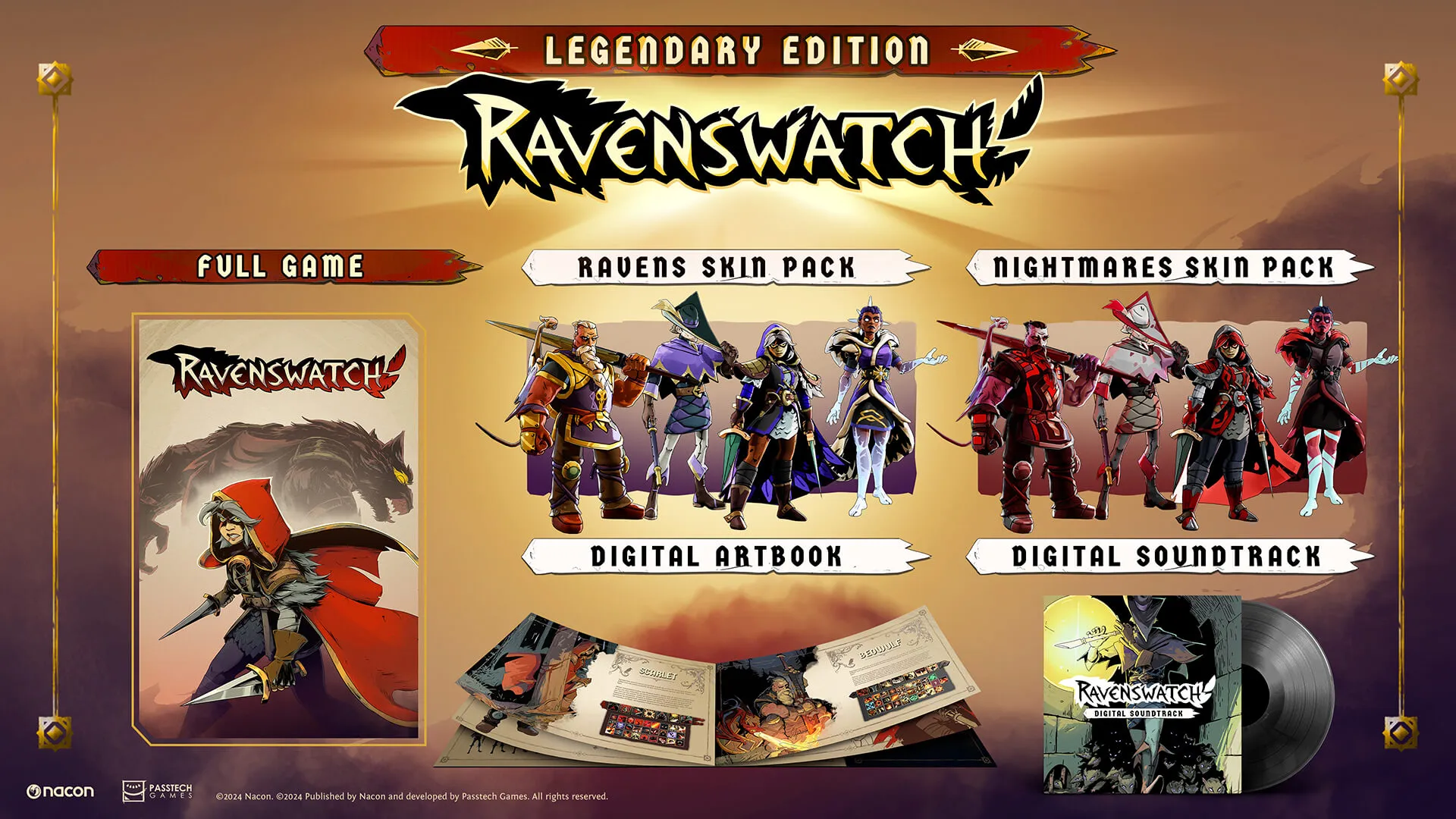
Each hero in Ravenswatch plays fundamentally differently. Some excel at burst damage, others at sustain, crowd control, or mobility. Picking a hero that fits your instincts is more important than raw strength.
Melee heroes demand strong positioning and timing, while ranged heroes require spatial awareness and threat management. Players who force themselves into unfamiliar roles often struggle unnecessarily.
Learning one hero deeply before switching allows players to understand enemy patterns and map flow without juggling new mechanics.
Early Game Survival and Combat Fundamentals
The opening phase of a run is about survival and setup. Enemies deal meaningful damage early, and healing options are limited. Reckless aggression often leads to health depletion that snowballs into failure.
Focus on learning enemy attack patterns and using dodge mechanics effectively. Conserving health is more important than clearing quickly during the first few encounters.
Winning early fights cleanly builds confidence and preserves resources for tougher encounters later.
Upgrade Selection and Build Direction
Ravenswatch offers numerous upgrades, but not all upgrades work well together. Random selection tempts players into scattered builds that lack synergy.
Successful runs usually commit early to a core theme, such as:
- High critical damage
- Cooldown reduction
- Status effects like burn or shock
- Mobility-based hit-and-run tactics
Avoid mixing incompatible upgrades. Focused builds scale better and perform more reliably against bosses.
Managing Health, Healing, and Risk
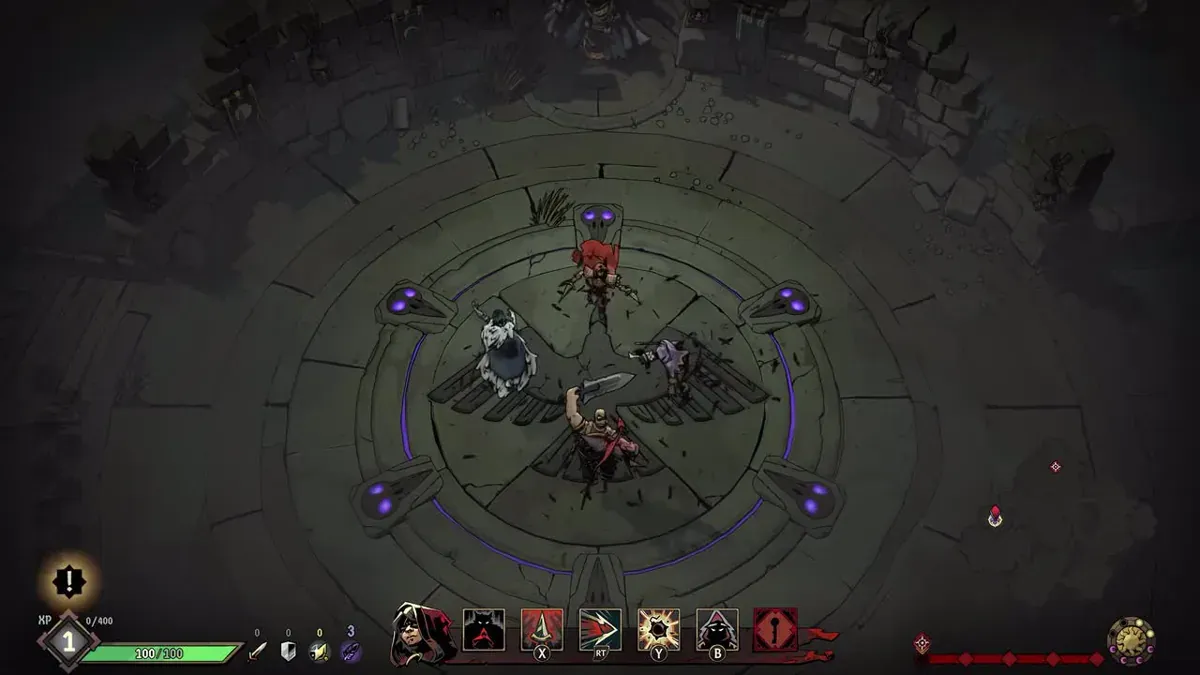
Health is the most valuable resource in Ravenswatch. Unlike damage or cooldowns, it cannot always be recovered easily.
Risk assessment becomes critical. Ask yourself whether a fight is worth the health cost. Skipping optional encounters is often the correct choice, especially when low on healing.
Players who survive longer runs tend to avoid unnecessary damage rather than relying on recovery mechanics.
Team Composition and Cooperative Play
In co-op, team balance matters far more than individual power. Overlapping roles reduce effectiveness, while complementary kits amplify success.
Strong teams usually include:
- One frontline or control-focused hero
- One high-damage dealer
- One flexible support or mobility-focused hero
Communication is key. Coordinating targets, cooldown usage, and retreat timing drastically improves survival rates.
Boss Encounters and Pattern Mastery
Boss fights are the ultimate skill check in Ravenswatch. They demand pattern recognition, patience, and precise execution.
Many players fail by attempting to out-damage bosses rather than respecting mechanics. Learning when to disengage and wait for safe windows is essential.
Bosses punish panic. Calm, deliberate movement often matters more than raw damage output.
Map Awareness and Objective Prioritization
Maps are filled with distractions. Not all objectives are equal, and poor prioritization leads to weak builds.
High-value targets typically include:
- Upgrade-granting encounters
- Resource-rich events
- Safe scaling opportunities
Learning map layouts and recognizing valuable paths reduces wasted time and unnecessary risk.
Scaling Into Late Game Difficulty
As runs progress, enemies become faster, more aggressive, and less forgiving. Late-game success depends on whether your build scales efficiently.
Damage alone is not enough. Survivability, mobility, and crowd control become increasingly important. Players who ignore defensive upgrades often collapse suddenly despite strong offense.
Balanced scaling ensures consistency across difficulty spikes.
Learning From Failure and Improving Runs
Failure is inevitable in Ravenswatch, especially early on. Each run provides feedback about positioning, build choices, and risk tolerance.
Instead of blaming randomness, analyze:
- Where health was lost
- Which upgrades underperformed
- When time pressure became overwhelming
Improvement comes from reflection, not repetition.
Conclusion
Ravenswatch rewards players who respect its systems and embrace deliberate decision-making. Success is not about rushing fights or chasing flashy upgrades, but about controlling tempo, managing risk, and building synergy.
By mastering combat fundamentals, committing to focused builds, and learning when to push or retreat, players can consistently survive deeper into runs and defeat the game’s toughest challenges. Ravenswatch is brutal, but fair — and mastery feels earned.
160-Character Summary
A complete Ravenswatch guide covering heroes, builds, co-op tactics, boss strategies, and how to survive late-game difficulty spikes.