.webp)



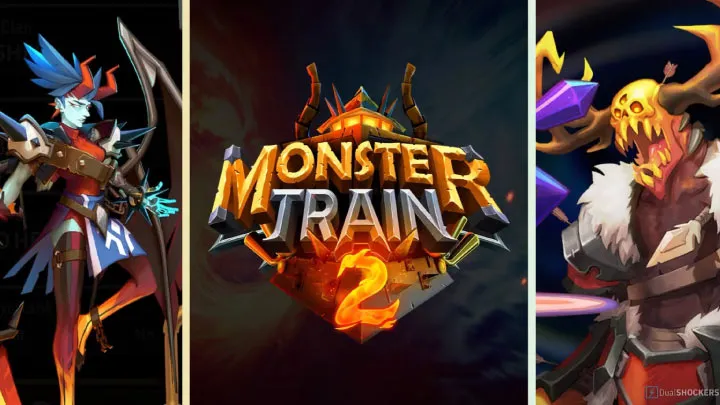
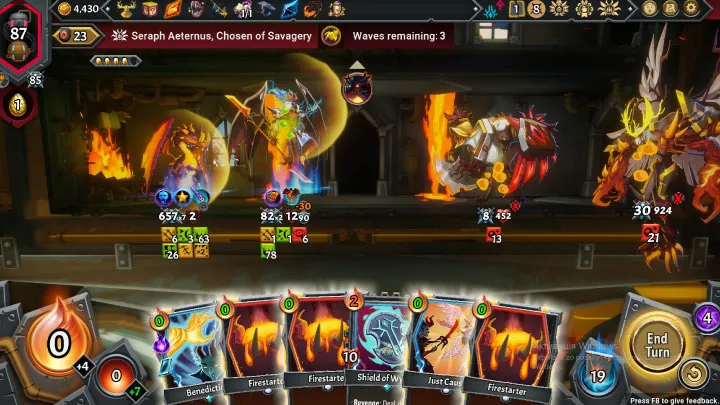
Monster Train 2 is the highly anticipated sequel to the critically acclaimed Monster Train, a game that combines deck-building with roguelike elements in a unique, multi-layered strategic gameplay experience. With its innovative mechanics, lively art style, and deep lore, Monster Train 2 promises to enhance the original formula while introducing new features and characters. However, one major challenge the developers face is balancing the complexity of its mechanics with the need for accessibility, especially for new players. This article delves into this intricate balance, exploring how it affects player engagement, learning curves, and the overall enjoyment of the game.
Introduction to Monster Train 2
A New Journey Begins
Following the immense success of the first installment, Monster Train 2 expands upon the foundational gameplay mechanics that made its predecessor a favorite among fans of strategy and deck-building genres. Players once again embark on a journey through a hellish train, fighting to revive the forces of hell and protect the final bastion of demonkind. The game introduces new clans, cards, and mechanics, while retaining the original’s strategic depth and engaging play.
Setting Expectations for Sequel
Expectations are high for Monster Train 2, given the acclaim of the first game. Players anticipate a blend of familiar mechanics with fresh innovations that can enhance both strategic depth and accessibility. As Monster Train 2 prepares to broaden its audience, maintaining the balance between complex mechanics and ease of understanding will be crucial for retaining veteran players while attracting newcomers.
Complexity in Deck-Building
The Deep Mechanics of Gameplay
At its core, Monster Train 2 employs a complex deck-building system that layers strategy upon strategy. Players must carefully choose their cards, manage resources, and plan their actions to navigate treacherous battles against a variety of foes. Each clan offers unique cards that introduce distinct playstyles and synergies.
Clan Diversity
- Unique Mechanics: Each of the game’s clans brings unique mechanics that require players to explore various strategies. For instance, some clans focus on aggressive damage, while others emphasize defensive tactics or buffing allies.
- Synergy Potential: Players are encouraged to experiment with synergies between different clans and cards, creating unique strategies that cater to individual playstyles.
Learning Curve for Players
While the diversity of mechanics adds depth, it also creates a steep learning curve for new players. Understanding how to effectively build a deck that takes advantage of the game’s complex systems can be daunting.
Challenges for Newcomers
- Overwhelming Options: New players might feel overwhelmed by the numerous choices available—between clan selection, card options, and strategies.
- Lack of Immediate Feedback: Players may struggle to identify effective tactics if they don’t receive enough feedback regarding their deck-building decisions or gameplay strategies.
Balancing Complex Mechanics with Accessibility
Importance of Accessibility
For a game to appeal to a broader audience, it must find ways to make its complex mechanics accessible to newcomers without diluting the depth that veteran players appreciate. Achieving this balance is a critical challenge for Monster Train 2.
User-Friendly Interfaces
- Streamlined Tutorial Systems: Creating a comprehensive tutorial that gently guides players through the mechanics can help demystify the game’s complexity, offering a solid foundation for new players.
- Visual Cues and Tooltips: Incorporating visual aids and tooltips that explain card effects, interactions, and mechanics can provide the necessary context for players to make informed decisions.
Gradual Introduction of Mechanics
Gradually introducing advanced mechanics can help alleviate the overwhelming nature of card selection and gameplay strategies. Players should feel empowered by the game’s complexity rather than intimidated by it.
- Progressive Difficulty Levels: Implementing difficulty settings can allow new players to experience the game’s mechanics at their pace, gradually introducing more complexity as they become comfortable with the basics.
- Diverse Game Modes: Allowing players to engage with different modes—such as challenges with specific constraints—can provide low-stakes environments for experimentation without the pressure of traditional runs.
Gameplay Mechanics and Engagement
Engaging Players Through Mechanics
Monster Train 2 must ensure that its gameplay mechanics are both engaging and rewarding. Players should feel a sense of accomplishment as they master the intricacies of the game’s systems.
Strategic Layering
- Complex Synergies: Allowing multiple layers of synergy between cards can create engaging gameplay experiences where players must think critically about how different cards interact.
- Dynamic Combat Systems: The combat mechanics should encourage players to engage with their strategies actively, adapting on the fly as they encounter different enemies and scenarios.
Risk-Reward Dynamics
The game should feature risk-reward dynamics that incentivize players to take chances with their strategies, leading to thrilling moments that enhance engagement.
- High Risk, High Reward: Introducing high-stakes scenarios where players can earn significant rewards through mastery of mechanics encourages experimentation in deck building and strategy.
- Unpredictability and Adaptation: Incorporating elements of unpredictability in enemy behaviors or card draws can force players to adapt, keeping gameplay fresh and engaging.
The Role of Community Feedback
Engaging with Players
Incorporating player feedback is crucial for refining the mechanics of Monster Train 2. Engaging with the community helps developers understand the reception of gameplay elements and identify areas for improvement.
Feedback Mechanisms
- Community Forums: Maintaining active community forums allows players to share experiences, propose changes, and discuss strategies.
- Surveys and Polls: Implementing surveys can help gauge player opinions on specific mechanics, providing insight into what players value most.
Iterative Development
The ability to incorporate feedback into iterative development can significantly enhance the game's quality and performance.
- Responsive Updates: Actively responding to community feedback can lead to timely updates, balancing mechanics and addressing player concerns.
- Showing Accountability: Demonstrating to players that their feedback is valued cultivates a sense of loyalty and engagement within the community.
The Importance of Replayability
Ensuring Longevity
Replayability is vital for maintaining player interest and engagement in Monster Train 2. Players should feel motivated to revisit the game and test different strategies and mechanics.
Procedural Generation
The use of procedural generation can create diverse runs that keep the gameplay experience fresh, encouraging players to experiment with different deck-building approaches.
- Variable Card Pools: Rotating card pools for different runs can ensure that players encounter unique challenges and configurations, prompting them to adapt strategies each time they play.
Diverse Game Modes
Incorporating different game modes can enhance replayability and offer a variety of experiences without compromising narrative immersion.
- Challenge Modes: Introducing challenges that impose specific limitations encourages players to think critically about deck composition and strategy, enriching the player experience.
- Seasonal Events: Rotating seasonal content can offer players new objectives and strategies to pursue, keeping the community engaged and excited.
Narrative Elements and Thematic Depth
Engaging Storytelling
The narrative backdrop of Monster Train 2 offers opportunities to enrich the gameplay experience. Themes of darkness, survival, and teamwork can deepen player engagement and emotional investment.
Layering Narrative Through Mechanics
- Integrated Story Elements: Incorporating story elements that relate directly to gameplay mechanics can enhance immersion, creating a narrative arc that players feel connected to through their actions.
- Character-Driven Storylines: As players engage with different classes and characters, their stories can serve to enrich the experience, tying gameplay choices to character development.
Balancing Narrative Complexity
While thematic depth adds richness to the game, developers must ensure that the narrative does not overwhelm players, particularly newcomers who may still be acclimating to the mechanics.
- Clear Narrative Threads: Keeping narrative threads focused and accessible ensures that players can follow the storyline without confusion, even amidst complex gameplay.
- Adaptive Storytelling: Allowing players to make choices that influence the narrative can reinforce their investment, providing added weight to the gameplay decisions they encounter.
Final Thoughts on Accessibility and Complexity
The Ongoing Balance
Monster Train 2 faces the ongoing challenge of balancing complex mechanics with the need for accessibility. Providing players with meaningful engagement without overwhelming them is essential for success.
Developing a Sustainable Framework
- Regular Playtesting: Continuous playtesting can help identify potential pitfalls in complexity and accessibility, leading to a framework that supports players effectively.
- Community-Centric Development: Keeping open channels for player feedback ensures that the developers can adapt and improve based on actual player experiences.
Embracing Complexity as a Strength
Complexity in mechanics should be embraced as a strength rather than a hurdle. By thoughtfully integrating complexity with engaging elements and maintaining accessibility, Monster Train 2 can establish itself as a standout title in the deck-building genre.
Conclusion
The intricate challenge of balancing complexity and accessibility in Monster Train 2 is crucial for delivering an engaging and rewarding player experience. By refining gameplay mechanics, exploring thematic depth, and actively engaging with the community, the developers can create a captivating experience that resonates with both veteran players and newcomers alike. As the gaming landscape evolves, continuing to adapt and innovate while preserving the essence of what makes Monster Train unique will be essential for establishing a lasting legacy within this beloved franchise.