Master the Tactical Battlefield: How to Survive, Lead, and Win in Arma Reforger

ADVERTISEMENT
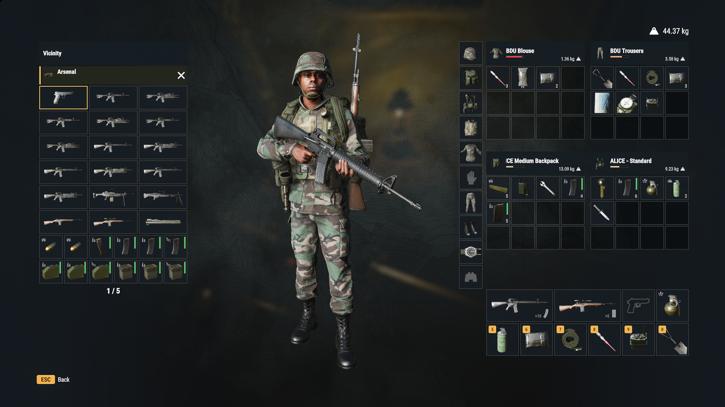
Loadout Weight and Stamina Optimization
- Light Recon Kit (Under Fifteen Kilograms): Ideal for scouts and radio operators who require maximum sprint speed and rapid stamina recovery to flank enemy sectors.
- Standard Infantry Rifleman Kit (Fifteen to Twenty-Five Kilograms): Provides an optimal balance of defensive armor, primary ammunition, and basic medical supplies for sustained frontline combat.
- Heavy Anti-Tank / Gunner Kit (Over Thirty Kilograms): Sacrifices personal mobility to deliver heavy firepower; requires close transport support from infantry fighting vehicles.
Essential Steps for Map Position Verification
- Identify Two Prominent Landmarks: Orient yourself toward two distinct, visible features in the environment, such as a radio tower and a lighthouse.
- Take Compass Bearings: Use your hand compass to measure the precise magnetic heading from your location to each landmark.
- Plot Triangulation Lines: Draw back-bearings on your map from those landmarks; the point where the two lines intersect represents your precise location.
Radio Protocol Guidelines
- Keep Transmissions Brief: State your callsign, the target's grid coordinates, and the nature of the contact in concise, standardized language.
- Maintain Radio Discipline: Refrain from transmitting non-essential chatter or casual commentary on global command channels during active operations.
- Utilize Frequency Presets: Pre-tune your squad's radio to dedicated channel numbers before leaving the main base to prevent cross-talk with adjacent elements.
Priority Base Construction Sequence
- Command Post (First Priority): Unlocks the base as a valid respawn point and enables radio coverage expansion across adjacent grid sectors.
- Supply Depot Structure (Second Priority): Increases the local base supply storage capacity, allowing friendly forces to store surplus resources.
- Defensive Bunkers and Barriers (Third Priority): Provides fortified cover positions along primary enemy approach avenues to secure the perimeter.
Essential Infantry Formations
- The Wedge Formation: The default movement formation for infantry squads, offering excellent forward firepower and flexibility to pivot into flanks.
- The Line Formation: Used when assaulting an established enemy trench or treeline; maximizes immediate fire volume toward a single forward sector.
- The Column Formation: Used for fast tactical marches along forest trails; emphasizes speed and directional control over immediate firepower.

Vehicle Crew Responsibilities
- The Driver: Focuses entirely on terrain clearance, maintaining momentum through mud, and positioning the vehicle's heavily armored front plate toward threats.
- The Gunner: Continuously scans designated observation sectors using vehicle optics, prioritizing high-threat anti-tank infantry and enemy light armor.
- The Commander: Monitors the tactical map, manages radio communications with nearby dismounted squad leaders, and designates target priorities.
Ballistic and Cover Guidelines
- Distinguish Cover from Concealment: Wooden fences and bush foliage provide concealment from sight, but offer zero ballistic protection against rifle rounds; seek thick concrete walls, rocks, or dirt mounds for real cover.
- Manage Muzzle Flash and Dust: Firing prolonged bursts from a prone position on dry dirt creates visible dust clouds that instantly give away your concealed firing position to enemy observers.
- Account for Height-Over-Bore: Remember that your sight line sits several centimeters above your weapon barrel; ensure your physical barrel clears cover before firing over low barriers.
Step-by-Step Field Medical Procedure
- Apply Tourniquets to Bleeding Limbs: Immediately apply a tourniquet to an injured arm or leg to instantly halt severe arterial bleeding.
- Apply Sterile Bandages: Wrap the affected body parts with bandages to permanently seal the wounds and restore physical stability.
- Administer Pain Relief: Inject morphine to eliminate combat shock, stabilize camera sway, and allow the soldier to rejoin the fight.
Structural Base Defense Elements
- Outer Observation Outposts: Concealed two-man team positions located outside the main base footprint designed to give early warning of enemy pushes.
- Heavy Machine Gun Bunkers: Fortified firing positions overlooking open approaches, capable of suppressing large groups of advancing infantry.
- Interlocking Fields of Fire: Defensive positions arranged so that each weapon emplacement can cover the blind spots of adjacent bunkers.
Key Leadership Principles
- Provide Clear Strategic Direction: Assign specific, unambiguous missions to individual squads, such as "Squad Alpha holds Grid 045-082 while Squad Bravo drives logistics."
- Adapt to Shifting Battlefield Dynamics: Do not commit supplies to a lost cause; recognize when a base is encircled and reallocate resources to defend fallback lines.
- Foster Positive Team Morale: Maintain a calm, authoritative voice over the radio, acknowledging successful squad actions and keeping the team focused on overall victory.